


In this video, we’ll explore the potential benefits of utilizing covered call strategies as a means to generate consistent income during retirement. Whether you’re approaching retirement, already retired, or simply planning for the future, understanding the ins and outs of covered calls can be a valuable tool in your financial arsenal. We’ll delve into various aspects of this strategy and help you determine if it aligns with your retirement goals.
The Basics of Covered Calls
Before we dive into the retirement aspect, let’s briefly recap what covered calls entail. In a covered call strategy, an investor starts by purchasing a stock they believe will appreciate over time. They then proceed to sell call options on that stock, providing the buyer of the call option the right to purchase the shares at a predetermined price (the strike price) on or before a specified expiration date.
Generating Retirement Income
Covered calls are particularly attractive to retirees seeking additional income streams. Here’s how the strategy can work in a retirement context:
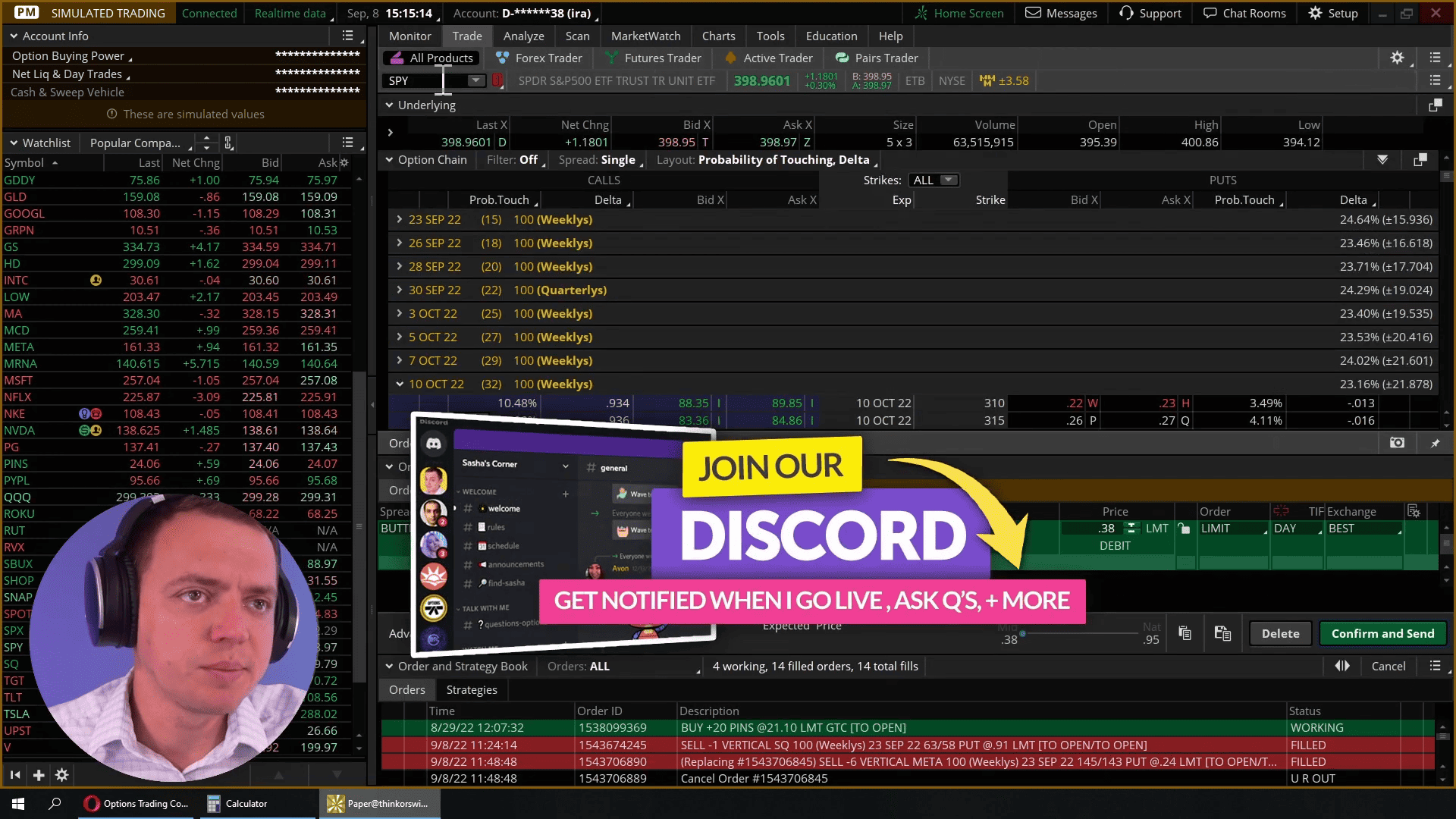
- Stock Purchase: You begin by purchasing a stock, typically one that you believe will increase in value over time. Let’s use Home Depot as an example.
- Selling Call Options: Once you own the stock, you start selling call options against it. When selling these options, you are essentially agreeing to sell your shares if the stock reaches the strike price by the expiration date. In return for this commitment, you receive a premium from the buyer of the call option.
- Income Generation: The primary goal here is to generate income through the premiums earned from selling call options. This income can supplement your retirement funds and cover various expenses.
Choosing Strike Prices and Expiration Dates
One crucial aspect of covered call strategies is selecting the right strike prices and expiration dates for your call options. This decision depends on your financial goals, risk tolerance, and the amount of capital you have to invest.
- Closer Strikes, Higher Income: If you’re looking to maximize income, you can sell call options with strike prices that are closer to the current stock price. This will result in higher premiums but increases the likelihood that your shares may be called away if the stock price rises significantly.
- Further Out Strikes, Lower Income: To reduce the risk of losing your shares, you can choose call options with strike prices further from the current stock price. While this will yield lower premiums, it provides a greater buffer against potential stock appreciation.
- Balancing Act: Your decision should strike a balance between income generation and the desire to keep your shares. You may need to consider your overall portfolio, income requirements, and the potential for capital appreciation.
Accounting for Stock Appreciation
When employing covered calls in retirement, it’s essential to account for the potential appreciation of the stock. If the stock appreciates significantly, you may find yourself in a situation where your shares are called away. While this can result in realized capital gains, it may reduce your exposure to further potential appreciation.
Determining Your Income Needs
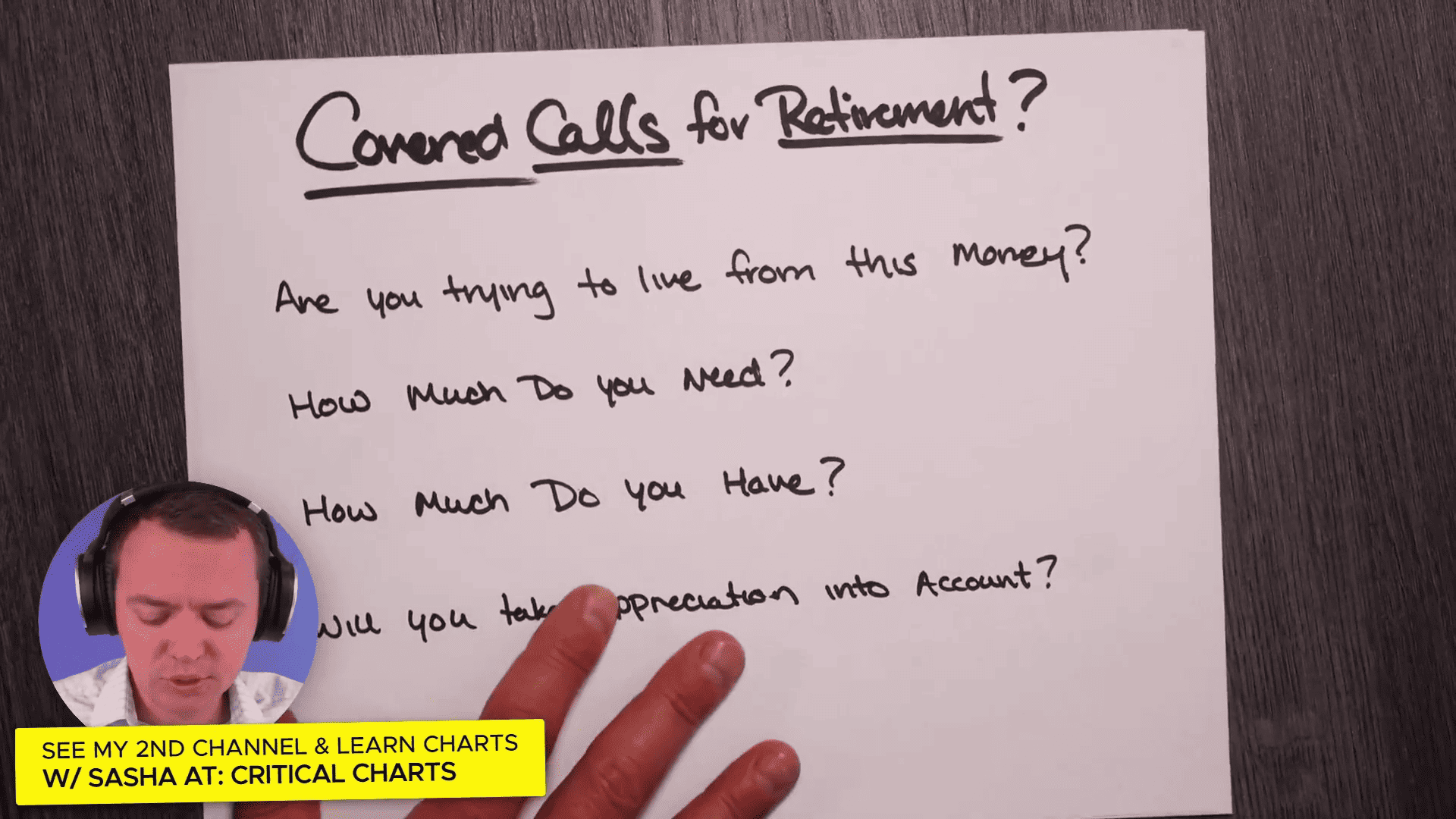
To gauge the effectiveness of a covered call strategy for retirement, you must evaluate your income needs and how much you require from this strategy. Consider factors such as:
- Your desired retirement lifestyle and associated expenses.
- The size of your investment portfolio and available capital.
- Other sources of retirement income, such as pensions or Social Security.
These considerations will help you determine whether covered call income aligns with your financial requirements.
Conclusion
Utilizing covered call strategies in retirement can be an effective means of generating additional income. However, it’s crucial to tailor this strategy to your specific financial situation and goals. Whether you’re aiming to maximize income or balance it with potential stock appreciation, covered calls can play a valuable role in your retirement income planning. As you explore this strategy, don’t hesitate to seek guidance from financial professionals or educational resources to ensure it aligns with your unique retirement needs. Remember, retirement planning is a highly individualized process, an


